Episode 213: Clarence Adams
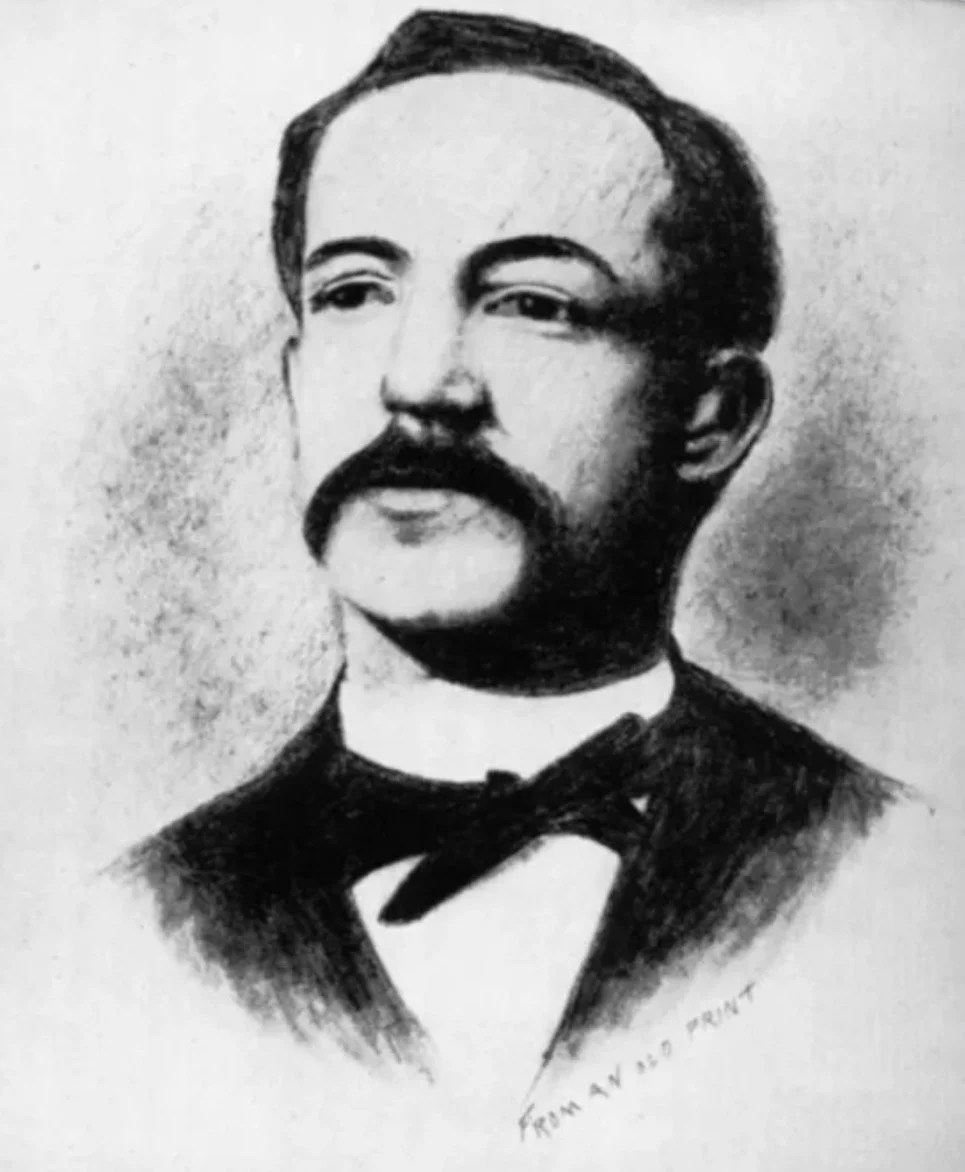
Clarence Adams was born in Cavendish, Vermont on November 18th, 1857 to parents Washington Adams and Dene H. Hagar. Clarence grew up as an only child as his one brother Marcellus tragically died when he was still a baby. In 1860, the family moved to a 270-acre farm in Chester, Vermont and Clarence continued to live on, work and manage the farm throughout his life and after both of his parents passed away. In addition to living a modest life managing a farm, Clarence was a well-known and well respected member of the town. He was a member of the Chester board of selectmen in the years 1889 and 1892, and in 1894, he climbed the ranks and became part of the Vermont House of Representatives. When not taking part in politics, Clarence was a deacon at the local church, a founding trustee of the Whiting Library and an incorporator of the Chester Savings Bank.
People in Chester, Vermont also turned to Clarence for advice and help when a string of burglaries in town had everyone on edge and fearing for their businesses and homes. The burglaries started off innocently but escalated to more serious home invasions where valuable jewelry and hundreds of dollars in cash were stolen. A safe at a local business was broken into, a sack of doughnuts was stolen from another local business, roofing shingles seemed to just disappear and a box of bow ties vanished from a clothing store. Clarence’s cousin, Ira H. Adams, had a window to his parlor broken and $375 and a gold watch stolen. That same night, the train station was broken into and it was found that the station agent’s papers had been searched through. Clarence’s close friend Charles Waterman owned a gristmill that was burglarized at least 16 times with entire sacks of grain stolen. The local general store, owned by a man named James E. Pollard, was burglarized at least 6 times.
Clarence Adams had become a selectman in 1892 and had taken a very public interest in the string of burglaries. At this point they were happening on a weekly basis and he had gotten actively involved with trying to help solve them. He proposed that the board of selectmen all pitch in to hire a detective, and everyone agreed. He also had the board put forth a $500 reward for whoever caught the burglar and added an additional $100 of his own money to the reward. Clarence was given unique privileges where he was able to examine the crime scenes and personally interview victims, and he also gave several of the owners of local businesses advice on how to protect themselves and their livelihoods from further burglaries. He so kindly offered his assistance to James Pollard with installing an alarm system at the general store, advised Charles Waterman to hire a security guard for the mill and told the local druggist to start selling guns at the store.
While the advice was greatly appreciated, it seemed like the burglar caught wind of the intimate knowledge and tips and tricks that Clarence had shared. The alarm system at the general store worked great, except the thief snuck into the store through the one window that was unarmed. The security guard at the mill kept the burglar away, but he struck on the one night of the week that the security guard was off duty. The guns seemed like a great idea for some extra protection, but they flew off the shelves as the burglar took them before anyone had the chance to buy them for themselves.
On July 29th, 1902, at around 10:00 p.m., Clarence stumbled into his home and asked his housekeeper to run and fetch the doctor. He had been shot in the leg, specifically his left thigh, about a half hour prior. When asked for further details, Clarence claimed that about two miles from home, he had been shot and robbed by two highway robbers wearing masks. Doctors painstakingly removed 84 pieces of the shot from his leg.
Earlier that same evening, Charles Waterman, the owner of the mill, had set up a spring-gun at his mill to try to finally apprehend the burglar. A spring-gun is essentially a booby trap that fires a shot when something trips the spring. Charles’ son Gardner Waterman had helped his dad rig the spring-gun to the second-story window and set it up to fire when the window was opened. Gardner had heard the gun go off and was immediately suspicious, so he ran into town to get his dad from a town hall meeting. The two men also got the town constable, Henry Bond. When they arrived back at the mill, all three men saw that a window had been shattered and the spring-gun had indeed been set off. There were glass shards where the window was shot out and blood on the windowsill where the burglar had broken in. This is when the constable was summoned to Clarence’s home to take down the report of the highway robbery and shooting.
Henry the constable, already suspicious of the coincidence of two men being shot in the small Vermont town within just hours of one another, paid close attention to the bullet fragments from Clarence’s leg. At first he thought that the highway robbers must have broken into the mill and tried robbing it as well, but Henry was shocked to find that the bullet fragments matched the kind that would have come from the spring-gun. Both were No. 8 shot, and Charles Waterman confirmed this. When word traveled quickly through town about this new development in the burglaries, townspeople rushed to Clarence’s farmhouse in disbelief that anyone could make such an accusation against such a well respected community member. As Henry and several townspeople began looking around the farmhouse and surrounding property, any doubts subsided when more and more stolen items were uncovered. The local newspaper reported “an almost endless variety of articles including clothing, harnesses, shingles, boots and shoes, silverware, revolvers, barrels of flour, books, gold pens, and other goods sufficient to stock a country store. When charged with the burglaries Adams would say nothing.”
Clarence was arrested from his bed where he lay recovering from his injuries and an officer was stationed at his bedside. On August 3rd, 1902, now 44-year-old Clarence Adams confessed to multiple robberies over the last six years. When asked why he did it, he stated, “There was too much fun in it. I never robbed because I needed money, but simply because robbing and afterward listening to the comments of the people amused me.” On August 12th, he was placed in jail in Woodstock, Vermont and appeared before a judge the next day. His two attorneys both asked for clemency on Clarence’s behalf due to his extensive involvement and high standing in the community on many levels and in multiple roles. Prior to this, he was facing 100-years in prison, but after his attorneys requested clemency the sentence was reduced to just 9-10 years in Vermont State Prison.
Clarence passed away in prison on February 26th, 1904, just eighteen months later after a flu outbreak led to him succumbing to pneumonia. Newspaper articles reported that he faked his own death, putting himself into a trance-like state and waking up only once out of the prison walls and then fleeing to Canada. Newspapers also nicknamed Clarence “The Gentleman Burglar” or “The Gentleman Bandit” and it’s speculated that Clarence Adams may have committed 50+ burglaries in the Chester, Vermont area over a 16-year period.
Image sources:
vtdigger.org - “Then Again: The bizarre case of Clarence Adams”